
Large Animal Model Construction Research
Achievement Introduction I
In vivo realization of humanized metanephros regeneration in a kidney-deficient pig model
Lai Liangxue's team utilized a new type of human-induced pluripotent stem cells with high differentiation potential, strong competitiveness, and anti-apoptotic capabilities, combined with an optimized embryonic compensation technology system, to achieve in vivo regeneration of humanized metanephros in a kidney-deficient pig model. This achievement is the first to demonstrate the feasibility of reconstructing humanized solid organs in large animals through stem cell and embryonic compensation technology, marking a key step in using organ-deficient large animal models for organ regeneration in vivo. It is of great significance in addressing the severe shortage of donor organs (Figure 1). The achievement was published in the 2023 issue of the Cell Stem Cell journal.
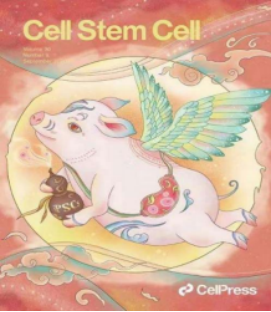
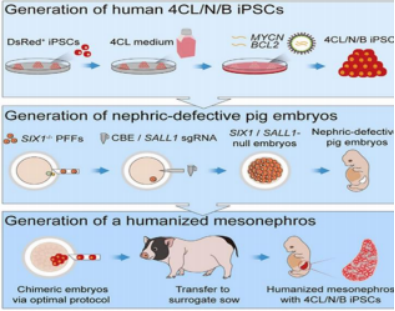
Figure 1. In vivo regeneration of humanized metanephros in a kidney-deficient pig model through xenotransplantation.
Achievement Introduction II
Multiple Gene-Knocked Out Tibetan Miniature Pig Models
Gu Weiwang's team used porcine zygote gene modification technology to obtain albino Tibetan miniature pigs, albino and immunodeficient Tibetan miniature pigs, hyper-tyrosinemia miniature pigs, and dual-gene knockout models of FAH and HPD with conditional liver injury in Tibetan miniature pigs (Figure 2). Based on these research findings, Wuyi University, as the primary applicant, collaborated with the Comparative Medicine Research Institute of Southern Medical University to apply for the "Cultivation of Tibetan Pigs as Experimental Animals and Their Development and Application," winning the first prize of the Golden Bridge Award from the China Technology Market Association.
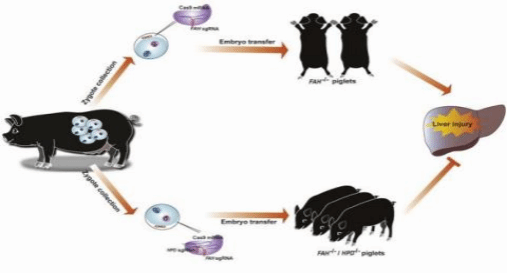
Figure 2. Pig model with conditional liver injury from double gene knockout (FAH -/-, HPD -/-).
Achievement Introduction III
Healthy Obesity Pig Model
The team led by Liangxue Lai has constructed a CREBRF R457Q gene-edited pig model (Figure 3). Pigs with the CREBRF R457Q point mutation exhibit an obese phenotype, with higher body weight, abdominal circumference, and overall fat content compared to wild-type pigs, and the fat primarily accumulates in subcutaneous tissue with no significant accumulation in visceral fat. Compared to the fat tissue of wild-type pigs, the point-mutated pigs have a higher number of fat cells that are smaller in volume. In vitro adipogenic differentiation experiments also indicate that the CREBRF R457Q variant promotes the differentiation of preadipocytes. The obesity caused by CREBRF R457Q is due to an increase in the number of fat cells (hyperplasia) rather than an enlargement in size (hypertrophy), which is a form of protective obesity to some extent. Blood biochemical analysis shows that this point mutation increases insulin levels in the blood while maintaining normal insulin sensitivity. This study preliminarily reveals the mechanism by which this point mutation leads to obesity by promoting adipogenesis and reduces the risk of type 2 diabetes by decreasing oxidative metabolism and maintaining normal insulin sensitivity, providing new insights for preventing diabetes in obese populations.

Figure 3. Construction of the CREBRF R457Q Point Mutation Pig Model
Achievement Introduction IV
Vaccine Development Using Monkey Models
Gu Weiwang's team designed a fusion protein named EdiiI-Fc, which includes the Ediii region of the ZIKE protein and the human IgG-FC fragment. It was found in rhesus monkeys that EdiiI-Fc can effectively induce the secretion of neutralizing antibodies and T-cell immunity (Figure 4). Zika virus can cross the placental barrier to infect fetuses, causing congenital syndromes and even miscarriages, posing a significant threat to pregnant women and infants. Currently, there are no vaccines or drugs available for the prevention and treatment of Zika virus. These experimental data provide a foundation for the further development of effective, safe, and cost-effective vaccines against Zika virus.
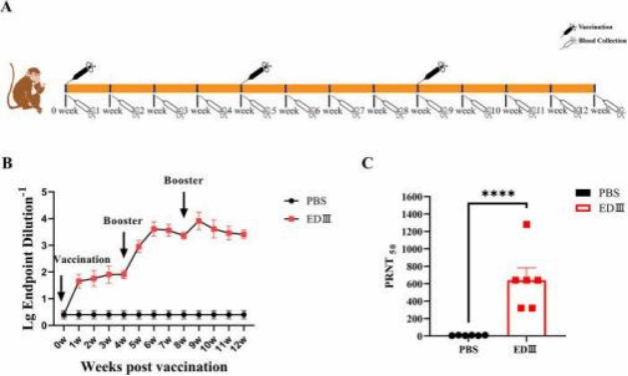
Figure 4. Verification of the Efficacy of the EDIII Vaccine in Rhesus Monkeys
Achievement Introduction V
Wiskott-Aldrich Syndrome Rabbit Model and Humanized Cartilage Pig Model, along with the Knockout of Porcine Endogenous Viruses
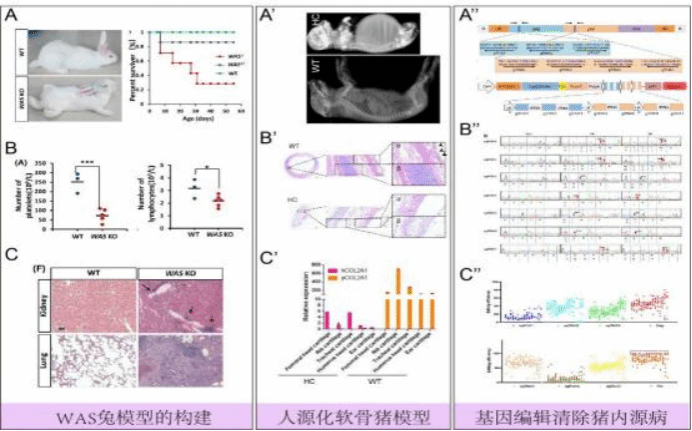
Liangxue Lai and Qingjian Zou's collaborative team established the first Wiskott-Aldrich syndrome rabbit model (Figure 5, left). Wiskott-Aldrich syndrome is an X-linked recessive inherited immune disorder syndrome. The WAS disease model rabbit accurately mimics various typical symptoms of WAS patients, including severe thrombocytopenia, bleeding tendency, lymphocytopenia, severe infections, and reduced survival period. The establishment of this model provides an important research tool for preclinical studies of human WAS disease. Liangxue Lai and Chengcheng Tang's team collaborated to achieve full mutation of porcine endogenous viral genes in pig cells using single-base editing technology (Figure 5, right). Porcine endogenous viruses are considered one of the biggest obstacles to xenotransplantation. Using 7 sgRNA single-base editing, it is possible to edit hundreds of endogenous sites without causing double-strand breaks, which is safer and more practical than pure Cas9 gene editing, laying a solid foundation for the future construction of porcine models free of endogenous viruses.

Figure 5. Wiskott-Aldrich Syndrome Rabbit Model, Humanized Cartilage Pig Model, and Knockout of Porcine Endogenous Viruses
Improvement of Gene Editing Technology and Research on Gene Therapy
Achievement Introduction I
Establishment of TaC9: An Efficient and Safe Single-Base Editing Technology
Liangxue Lai and Qingjian Zou's team combined two editing technologies, Cas9 and TALE, to address the off-target issues associated with Cas9 dependency in single-base editing (Figure 6). They achieved an efficient and safe method for gene repair, providing a new reference scheme for the clinical application of gene editing technology. The related achievements have been published in the journals Cell Discovery and Molecular Therapy in 2022.
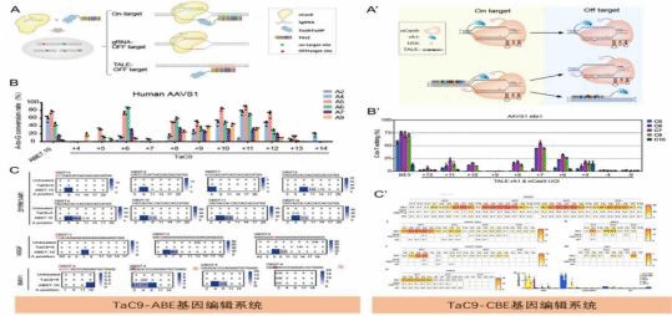
Figure 6. Establishment of the TaC9 Single-Base Editing System
Achievement Introduction II
Establishment of a Novel Dual-Base Editing Technology
Liangxue Lai's team has established the AGBE editing system: a dual-deaminase mediated base editor that achieves a saturated mutation population with various editing modes by fusing CGBE and ABE (Figure 7). The feasibility and efficiency of using the AGBE system for high-throughput functional studies of genetic SNVs have been confirmed. The related literature was published in Nucleic Acids Research in 2022.
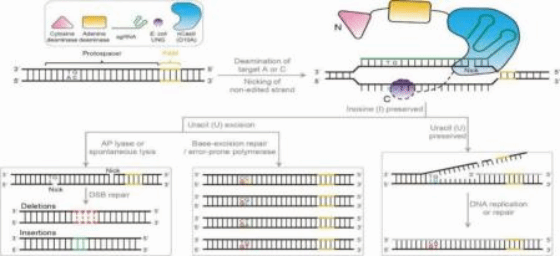
Figure 7. Construction of the AGBE Editor
Achievement Introduction III
Improvements in Gene Therapy Technology
Qingjian Zou's team has identified the minimally truncated reverse transcriptase (M-MLV RT) and fused it with Campylobacter jejuni Cas9 (CjCas9, H559A) to construct the mini-PE system, which is within the packaging capacity of adeno-associated viruses. After optimizing pegRNAs and combining them with nick sgRNAs, the mini-PE system precisely edits target sites both in vitro and in vivo (Figure 8). This system holds significant therapeutic potential for human genetic diseases. The related literature was published in the journal Molecular Therapy-Nuclei acid in 2023.
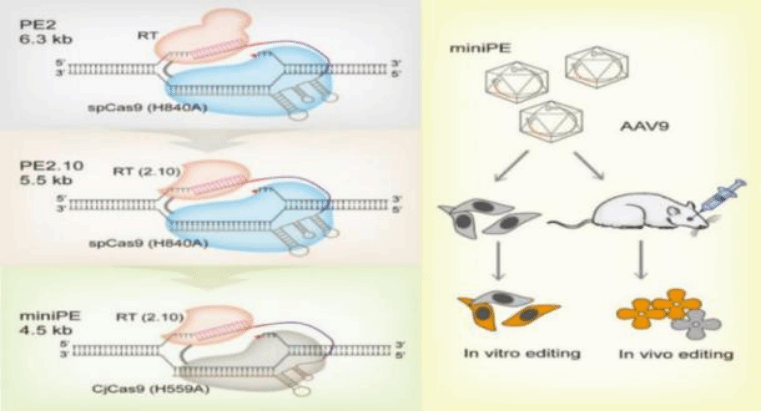
Figure 8. Construction Process and Application of the mini-PE System
Establishment of Large Animal Models for Various Diseases and Gene Editing Treatment Plans
Achievement Introduction
We have established the first Wiskott-Aldrich syndrome (Wiskott-Aldrich syndrome, WAS) rabbit model, a humanized cartilage pig model, and achieved efficient clearance of porcine endogenous viruses using single-base editing. These models and techniques provide new approaches for the study of disease mechanisms, the application of animal models, and the improvement of gene therapy technologies.
Application Cases/Prospects of Achievements
Using the WAS rabbit model, we can delve into the impact of WAS gene mutations on the development and function of the immune system, revealing the molecular mechanisms of the disease. It is also possible to study the performance of WAS rabbits in response to infections, explore the effects of various pathogens on the immune system, and help understand disease susceptibility.
The application prospects of the humanized cartilage pig model in biomedical research are broad, as it can provide an important experimental platform for understanding human diseases, developing new therapeutic strategies, and advancing the field of regenerative medicine.
Flexible Sensing Technology
Achievement Introduction
The research team led by Professor Jianyi Luo at Wuyi University focuses on technological innovation and invention using various flexible materials, such as nanomaterials, fibers, or thin films. Through advanced manufacturing processes, they have successfully developed a variety of flexible sensor materials with excellent mechanical flexibility and electrical properties, suitable for a range of sensing applications including pressure, temperature, bending, and air pressure. The flexible sensors developed are expected to have applications in the future across multiple fields, including intelligent manufacturing, healthcare, wearable devices, and specialized industrial equipment.
Technical Specifications
(1) Carbon-based Flexible Tactile Sensing Technology. This technology constructs models of quantum tunneling mechanisms and impurity scattering mechanisms, achieving sensors with different functions based on the same carbon-based materials through innovative sensing principles and ingenious structural design.
(2) A "Sparse-Dense" Hierarchical Structure of Conductive Elastomeric Composite Materials for High-Sensitivity and Stretchable Strain Sensors. This material boasts a wide detection range (1% to 423%), fast response time (0.23 seconds), good repeatability, excellent stability, and superior electrothermal performance.
Application Cases/Prospects of Achievements
(1) Tongue Muscle Pressure Meter
The project team, based on the application prospects of carbon-based flexible air pressure sensor technology, has collaborated with the Sun Yat-sen University Affiliated Stomatology Hospital to develop a tongue muscle pressure meter. This device can accurately measure the pressure of the tongue muscles, aiding in rehabilitation training. It will be further promoted for use in the medical fields of dentistry, otolaryngology, neurology, and rehabilitation.
(2) Smart Bionic Finger
Our team has constructed a smart bionic finger with tactile tomographic scanning imaging capabilities based on carbon fiber-based tactile sensors. This technology can detect subcutaneous internal structures and reconstruct their 3D contour maps, offering broad application prospects in material characterization, biomedicine, and industrial inspection fields.
(3) Smart Insoles
The project team has developed a highly integrated and simply manufactured wearable carbon fiber smart insole system using conductive carbon fiber bundles as the sensing material. This system can detect foot pressure distribution, assess gait, and prevent foot diseases, offering broad application prospects in sports monitoring, rehabilitation, and disease diagnosis.
(4) CECs Stretchable Strain Sensors Based on Sparse-Dense Hierarchical Structure
Our project team has developed a sparse-dense hierarchical structure conductive elastomer composite (CECs) based on natural rubber and modified multi-walled carbon nanotubes (MWCNTs) through a simple one-step method. The sensors prepared using this technological approach have a wide detection range, fast response time, excellent repeatability, and stability, and they hold broad application prospects in the field of smart wearable electronic devices.
2D Graphene Oxide Nanofiltration Membrane
Achievement Introduction
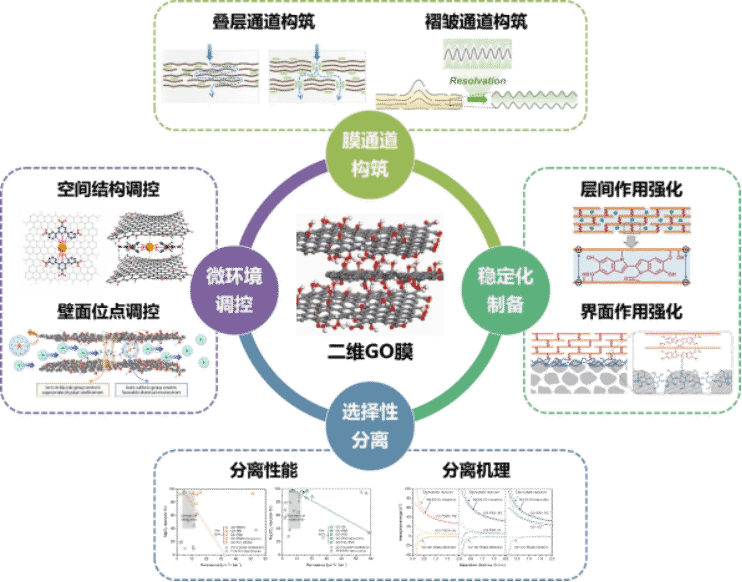
Aiming at the high-precision separation needs of molecules and ions, a new type of two-dimensional material membrane is assembled and prepared using two-dimensional graphene oxide as the nano-construction unit. Innovation is based on the biomimetic concept, rationally constructing and adjusting the spatial structure of the membrane's confined mass transfer channels and wall sites. A series of high-performance two-dimensional graphene oxide nanofiltration membranes have been designed and prepared, and the developed membrane separation performance breaks through the upper limits of traditional membranes, showing good application prospects in important processes such as water purification, chemical separation, and energy utilization.
Technical Specifications
Pure water permeability: 10-60 L m-2 h-1 bar-1
Dye molecule retention rate: >98%
Low-cost salt retention rate: >80%
Monovalent/Divalent ion selectivity: >50
Application Cases/Prospects of Achievements
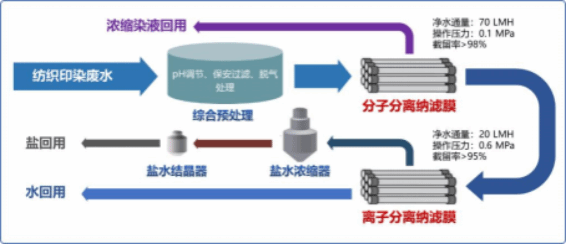
The two-dimensional graphene oxide nanofiltration membrane has superior separation performance compared to most commercial membranes and is competitive in terms of manufacturing processes and cost control. It is expected to address the challenges of efficient and precise separation of molecules/ions in processes such as the treatment and reuse of printing and dyeing wastewater, seawater desalination, and lithium extraction from salt lakes. For example, in response to the needs of treating and reusing textile printing and dyeing wastewater, it can achieve efficient and selective separation of organic dye molecules and salt ions in printing and dyeing wastewater, showing potential for application in the treatment and resource utilization of industrial wastewater such as printing and dyeing wastewater.
Polymer New Material Processing Technology Based on Multi-field Coupling
Achievement Introduction
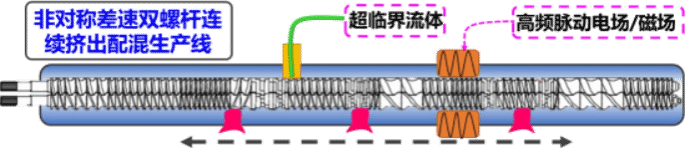
Breaking through with the chaotic mixing principle of differential non-symmetric twin-screws, this technology utilizes the chaotic mixing principle, combined with the effects of supercritical fluids, electric fields, magnetic fields, etc., to further enhance the efficiency of mixing and compounding. It addresses the bottleneck issues in traditional processing technologies regarding the dispersion distribution of nanocomposite materials, as well as the long process, multiple additives, susceptibility to degradation, and difficulty in forming of bio-based polymer materials. This technology has been granted 5 Chinese patents and 2 PCT patents, with 6 Chinese invention patents pending.
Technical Specifications
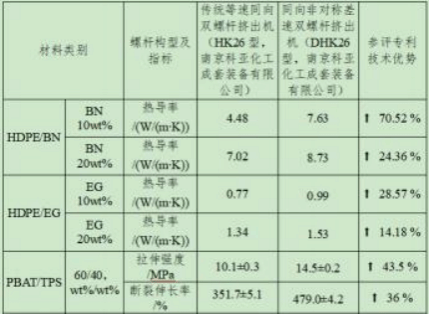
The technology addresses issues of long processing cycles, susceptibility to degradation, low efficiency, and performance enhancement reaching a bottleneck. It achieves a reduction in local processing temperature by 5°C, a decrease in energy consumption by over 30%, and an improvement in material performance by 20%
Application Cases/Prospects of Achievements
This technological achievement has been applied in the following areas:
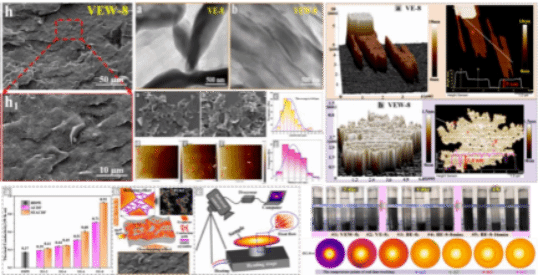
(1) Efficient large-scale preparation of highly doped, multi-scale polymer composite materials Based on the chaotic mixing processing of differential non-symmetric twin-screws, the team couples supercritical fluid processing technology to address the particle dispersion and distribution issues in the melt mixing process of high-content filled composite systems. This enables the efficient and high-performance continuous extrusion preparation of highly doped, multi-scale thermal/electrical conductive polymer composite materials.
(2) Efficient Plasticization Preparation of Biomass-based Polymer Materials under Multi-field Coupling
Our team, based on the chaotic mixing processing advantages of differential non-symmetric twin-screws, couples supercritical fluid processing technology with high-frequency electric field/ magnetic field processing technology to address processing challenges such as shear degradation and overheating charring during the melt plasticization of biomass-based polymer materials. This enables the low-temperature plasticization of bio-polymers and the short-process, high-performance preparation of their blends and composite materials.